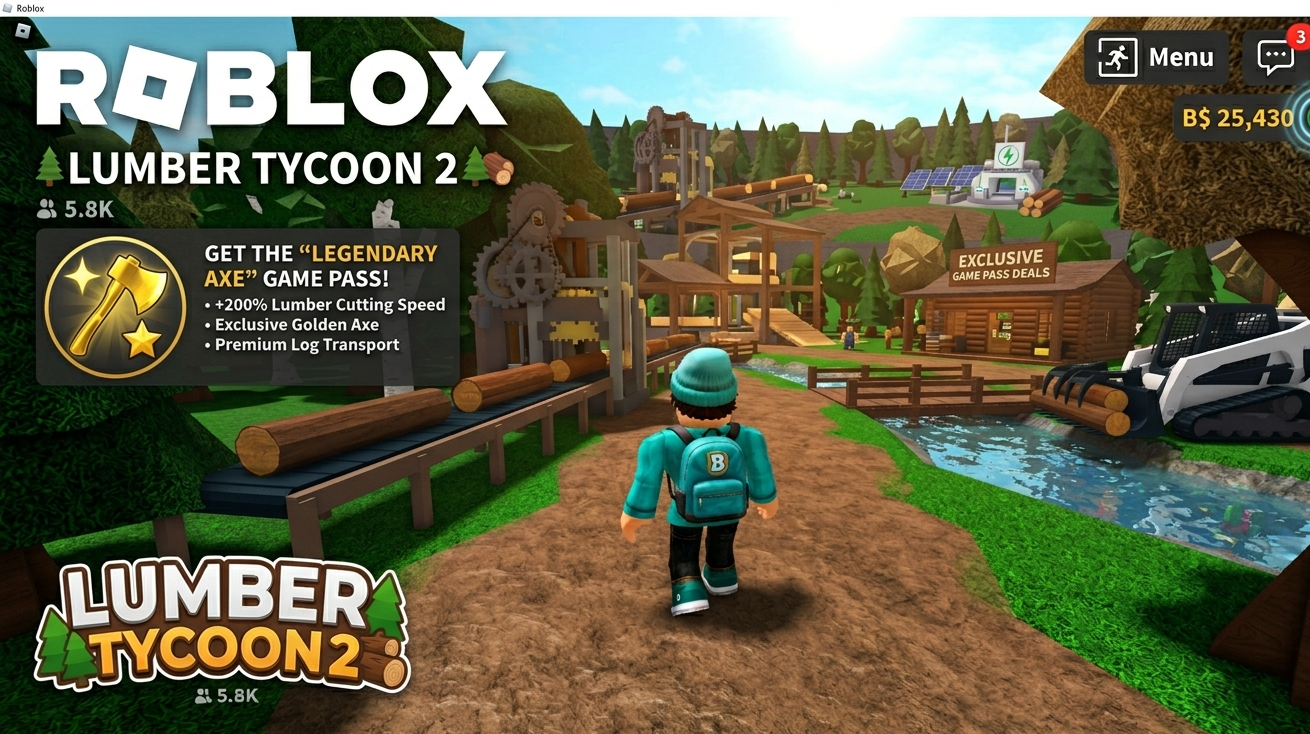
If you’ve ever spent time building a game on Roblox, you’ve probably wondered how some creators consistently earn Robux while others struggle to monetize their experience. The answer often comes down to one powerful feature: game passes.
Game passes are one-time purchases that give players special perks, abilities, or access within your game. When done right, they don’t just generate income—they enhance gameplay and make your experience more enjoyable. The key is creating passes that feel worth it, not forced.
Let’s break down how to design popular, player-friendly game passes that people actually want to buy.
Understanding What Makes a Game Pass Valuable
Before creating anything, it’s important to understand why players spend Robux in the first place. Most players aren’t just buying features—they’re buying convenience, status, or fun.
A good game pass usually falls into one of these categories:
- Time-saving perks (like faster progress)
- Exclusive abilities or tools
- Customization options
- VIP access or areas
- Fun enhancements that improve gameplay
The biggest mistake new creators make is adding passes that feel unnecessary or overpriced. If a player feels like they must buy something just to enjoy the game, they’re more likely to leave.
Start with Your Game’s Core Experience
Your game pass strategy should always match your game type. Think about what players already enjoy in your game, then build on that.
For example:
- In a tycoon game, players value speed and efficiency.
- In a roleplay game, customization and status matter more.
- In an obby (obstacle course), players may want help with difficult sections.
Instead of forcing monetization, ask yourself:
“What would make this game more fun or smoother for players?”
That’s where your best ideas will come from.
Popular Types of Game Passes That Work
Let’s look at some proven game pass ideas that tend to perform well when implemented thoughtfully.
1. VIP Access Pass
A VIP pass is one of the most common and effective options. It can include perks like:
- Exclusive areas
- Special items or gear
- Unique chat tags or name colors
Players love feeling recognized. A small visual upgrade can sometimes be just as appealing as a gameplay advantage.
2. Double Rewards or Boosts
This type of pass offers:
- Double coins
- Faster leveling
- Increased rewards
It works especially well in grind-based games. However, balance is crucial. Free players should still be able to progress—it just takes a bit longer.
3. Special Abilities or Tools
Giving players unique abilities can make your game more engaging. Examples include:
- Speed boosts
- Flying ability
- Special weapons (balanced, not overpowered)
The key is to keep things fair. If one pass completely dominates gameplay, it can frustrate others.
4. Skip or Convenience Passes
These passes are common in obstacle or progression-based games:
- Skip levels
- Teleport to checkpoints
- Auto-complete tasks
They’re useful for players who are stuck or short on time—but shouldn’t replace skill-based progression entirely.
5. Cosmetic Upgrades
Cosmetics are one of the safest and most player-friendly monetization methods:
- Character skins
- Trails or effects
- Custom animations
These don’t affect gameplay balance but still give players a reason to spend Robux.
Pricing Your Game Passes the Right Way
Pricing can make or break your success. If your passes are too expensive, players won’t buy them. Too cheap, and you undervalue your work.
Here’s a simple approach:
- Start low and test demand
- Offer a mix of price points
- Observe what players actually buy
For example:
- Small perks: 5–50 Robux
- Mid-tier passes: 50–200 Robux
- Premium/VIP passes: 200+ Robux
The goal is to make players feel like they’re getting fair value—not being pushed into spending.
Make Your Game Passes Visible (But Not Pushy)
Even the best game pass won’t sell if players don’t know it exists. At the same time, overly aggressive prompts can drive users away.
Here’s how to promote your passes naturally:
- Add a shop button in your UI
- Show benefits clearly with simple descriptions
- Use in-game hints (like locked areas labeled “VIP Only”)
- Let players see others enjoying the perks
Subtle exposure works better than constant pop-ups.
Focus on Player Trust and Fairness
If you want long-term success on Roblox, trust is everything.
Avoid:
- Misleading descriptions
- Overpowered paid advantages
- “Pay-to-win” mechanics
Instead:
- Be transparent about what each pass offers
- Keep your game enjoyable for free players
- Update and improve passes based on feedback
Happy players are far more likely to support your game financially.
Test, Learn, and Improve
Creating successful game passes isn’t a one-time task—it’s an ongoing process.
Pay attention to:
- Which passes sell the most
- Player feedback in chat or comments
- Drop-off points in your game
If something isn’t working, don’t hesitate to adjust it. Sometimes a small tweak—like lowering a price or improving a perk—can make a big difference.
Add Limited-Time or Seasonal Passes
One way to boost engagement is by introducing limited-time offers:
- Holiday-themed passes
- Event-based perks
- Exclusive seasonal items
These create a sense of urgency without pressuring players unfairly. It also keeps your game feeling fresh and updated.
Combine Game Passes with Good Game Design
No monetization strategy can replace a good game. If your gameplay isn’t engaging, players won’t stick around long enough to consider buying anything.
Focus on:
- Smooth gameplay mechanics
- Clear progression
- Regular updates
- Community engagement
Game passes should enhance your game—not carry it.
Final Thoughts
Earning Robux through game passes isn’t about tricks or shortcuts—it’s about creating value that players genuinely appreciate.
When your passes:
- Improve gameplay
- Feel fairly priced
- Respect player experience
…you naturally build trust and increase your chances of success.
Think like a player first, creator second. If something feels worth buying to you, it will likely feel the same to others.
In the end, the most successful developers on Roblox aren’t just selling features—they’re creating experiences people want to support.