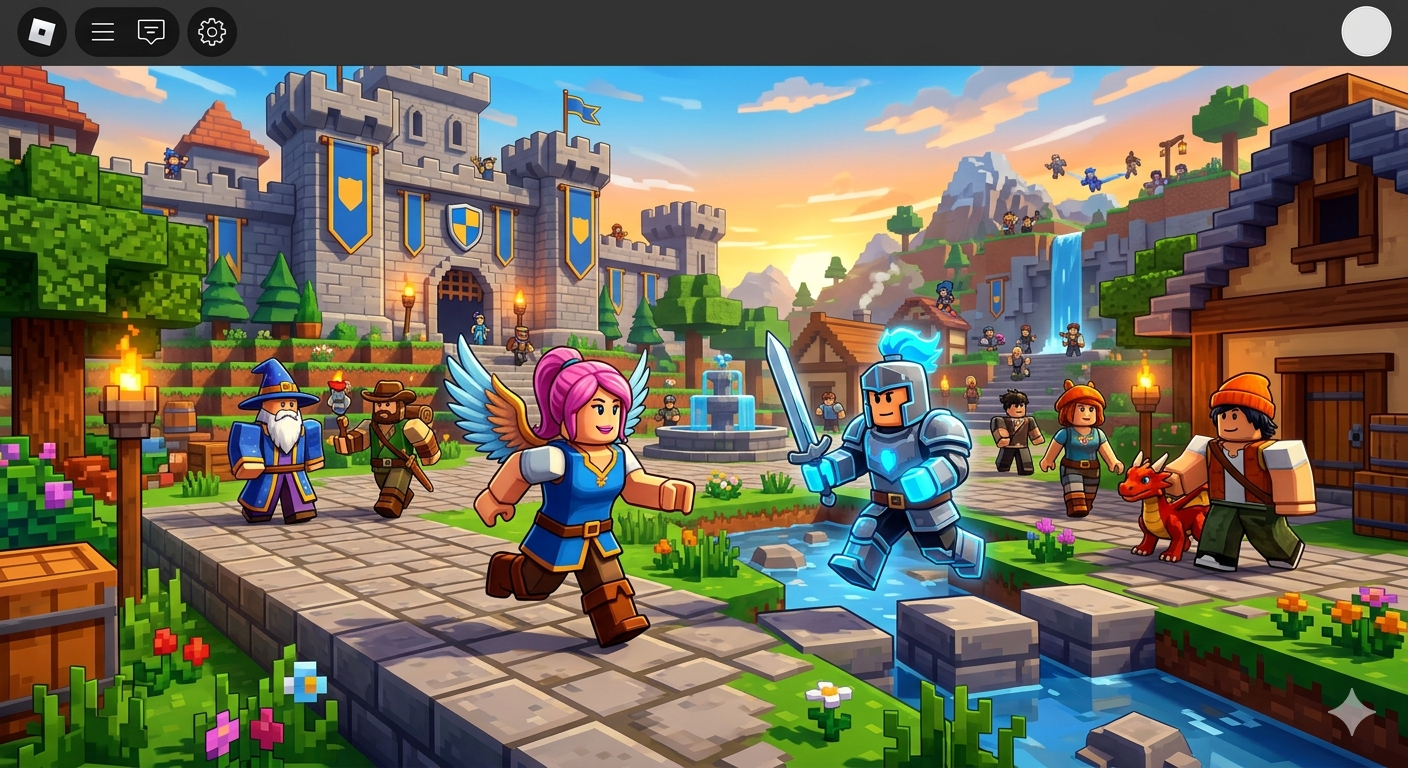
If you’ve ever spent hours playing on Roblox, you’ve probably noticed something interesting—some players aren’t just playing, they’re creating. And those creators? They’re the ones slowly turning their skills into Robux over time. But here’s the thing, it doesn’t happen overnight. It’s a journey. A progression from curious player to confident creator, where every small step adds up.
Let’s walk through how that journey actually looks, in a way that feels real, practical, and achievable.
Starting Point: From Just Playing to Observing
Every creator starts as a player. You join games, explore worlds, try different experiences—and without realizing it, you’re already learning.
You begin to notice things like:
- Which games keep you engaged for 10–15 minutes
- What makes players come back daily
- Why some games feel “premium” even when they’re simple
This stage is important because it builds your instinct. Before creating anything, you’re subconsciously understanding what works.
Instead of just playing, start asking:
- “Why is this game fun?”
- “What would I improve here?”
- “Why would someone spend 10 Robux in this game?”
That shift, from playing to observing, is your first real step toward earning.
Learning the Basics: Scripting, Design, and UI
Once curiosity kicks in, the next step is learning the basics. And don’t worry, this doesn’t mean becoming an expert developer overnight.
Inside Roblox, there are three beginner-friendly areas:
1. Scripting (Logic Behind Games)
This is what makes things work, doors opening, points increasing, timers running.
You don’t need to master everything. Start small:
- Simple button interactions
- Basic scoring systems
- Teleporting players between areas
Even learning 3–5 simple scripts can help you build a functional mini-game.
2. Design (How Things Look)
This includes maps, environments, and objects.
Start with:
- Basic maps (obby tracks, small arenas)
- Simple structures (rooms, towers, checkpoints)
You’ll notice that even basic designs can feel engaging if they’re clean and easy to navigate.
3. UI (User Interface)
This is what players see on screen, menus, buttons, game passes.
Begin with:
- Simple menus
- Buy buttons
- Progress bars
UI plays a huge role in earning because it’s directly connected to how players interact with purchases.
First Creation: Building Something Small
Here’s where most people overthink, and get stuck.
You don’t need a “big idea.” You need a finished idea.
Start with:
- A simple obby with 10–20 stages
- A small tycoon game with 2–3 upgrades
- A mini survival or challenge game
The goal is not perfection. The goal is completion.
Why this matters:
- A finished game can actually earn Robux
- An unfinished “perfect idea” earns nothing
At this stage, your first creation might earn:
- 0–10 Robux initially
- Maybe 20–50 Robux if players stick around
And that’s completely fine. This is your learning phase.
Expanding Skills: Creating Clothing and Assets
Not everyone enjoys game development, and that’s where alternative paths come in.
You can also create:
- T-shirts
- Shirts and pants
- Simple assets
This is often easier to start with because:
- It requires design more than coding
- You can create multiple items quickly
Here’s a realistic approach:
- Create 5–10 simple designs
- Price them around 5–10 Robux
- Share them in groups or communities
Your early results might look like:
- First week: 0–5 Robux
- First month: 20–100 Robux total
Again, it’s not about one big success, it’s about stacking small wins.
Selling Game Passes and Items
Once you have a game or content, the next step is monetization.
Inside Roblox, this usually happens through:
- Game passes (special abilities, access, boosts)
- Developer products (one-time or repeat purchases)
- Cosmetic upgrades
Here’s what works best for beginners:
- Low-cost items (5–25 Robux)
- Simple benefits (double speed, extra lives, shortcuts)
Why low pricing works:
- More players are willing to try it
- You build trust before increasing value
For example:
- 10 players buying a 10 Robux pass = 100 Robux
- 50 players buying a 5 Robux item = 250 Robux
It’s all about accessibility early on.
The Progression Mindset: 0 → 100 → 1,000 Robux
Let’s talk about the mindset shift that actually makes a difference.
Most players think:
“I need 1,000 Robux fast.”
But creators think:
“How do I reach my first 100 Robux?”
Here’s how progression really works:
Stage 1: 0 → 100 Robux
- Learning basics
- First creations
- Small sales
This stage feels slow, but it’s the most important.
Stage 2: 100 → 500 Robux
- Improving designs or gameplay
- Understanding what players like
- Slightly better monetization
You start seeing patterns here.
Stage 3: 500 → 1,000 Robux
- Consistency begins to pay off
- More players engage with your content
- Earnings become more predictable
At this point, you’re no longer guessing, you’re building with intention.
Consistency vs Viral Success
This is where most people get it wrong.
Everyone wants:
- A viral game
- Thousands of players instantly
- Huge Robux earnings quickly
But in reality:
- Viral success is rare and unpredictable
- Most creators grow steadily over time
Let’s compare both:
Viral Approach
- One big game idea
- High expectations
- Risk of burnout if it fails
Consistent Approach
- Multiple small projects
- Gradual improvement
- Reliable growth over months
For example:
- 1 game earning 500 Robux once = short-term
- 5 small games earning 50 Robux each per week = long-term
Consistency almost always wins.
Realistic Timeline of Growth
To keep things grounded, here’s what a realistic journey might look like:
Month 1
- Learning basics
- Creating first project
- Earnings: 0–50 Robux
Month 2–3
- Better understanding of systems
- Trying clothing or game passes
- Earnings: 50–200 Robux
Month 4–6
- More refined content
- Small audience building
- Earnings: 200–800 Robux
Beyond 6 Months
- Consistent updates
- Improved monetization
- Earnings: 800+ Robux depending on effort
These numbers vary, but they show one thing clearly: progress takes time.
Small Habits That Make a Big Difference
If you want to move from player to creator successfully, focus on habits instead of shortcuts:
- Build regularly, even if it’s small: A 30-minute session daily is better than waiting for “perfect time.”
- Learn one thing at a time: Don’t try scripting, design, and UI all at once, stack skills gradually.
- Observe player behavior: Watch what players do in your game, where they stay, where they leave.
- Improve based on feedback: Even small tweaks can increase engagement.
- Stay patient with results: Earnings grow slower than expectations, but faster than you think when you stay consistent.
Final Thoughts
Turning your Roblox experience into Robux isn’t about luck, it’s about progression. You start as a player, slowly learn skills, create small things, and improve over time. The journey from 0 to 1,000 Robux isn’t instant, but it’s achievable if you stay consistent and realistic. Focus on learning, keep building, and let your skills do the work—because that’s where real growth actually begins.